---
title: BMW AR Ride CES2024 - Joseph Wu
site: Joseph Wu
site_url: wujoseph.com
description: A showcase of the BMW AR Ride project featured at CES 2024, focusing on 6DoF tracking and stable AR integration for in-car productivity, navigation, and entertainment.
page_type: landing
url: https://wujoseph.com/work/bmw-ar-ride
canonical_url: https://wujoseph.com/work/bmw-ar-ride
language: en
author: Joseph Wu
breadcrumb: Home > Work > BMW AR Ride
date_modified: 2024-05-22
---

> The BMW AR Ride, featured at CES 2024, represents a breakthrough in automotive spatial computing by integrating XREAL glasses with BMW’s internal sensor stack. By utilizing interior cameras for precise 6DoF (Six Degrees of Freedom) tracking, the system ensures stable AR content delivery even during high-speed vehicle motion and in low-light environments. This technology enables three primary in-car use cases: productivity, navigation, and immersive entertainment. The collaboration focuses on delivering personalized, jitter-free AR experiences through advanced hardware-software synchronization.

# BMW AR Ride CES2024

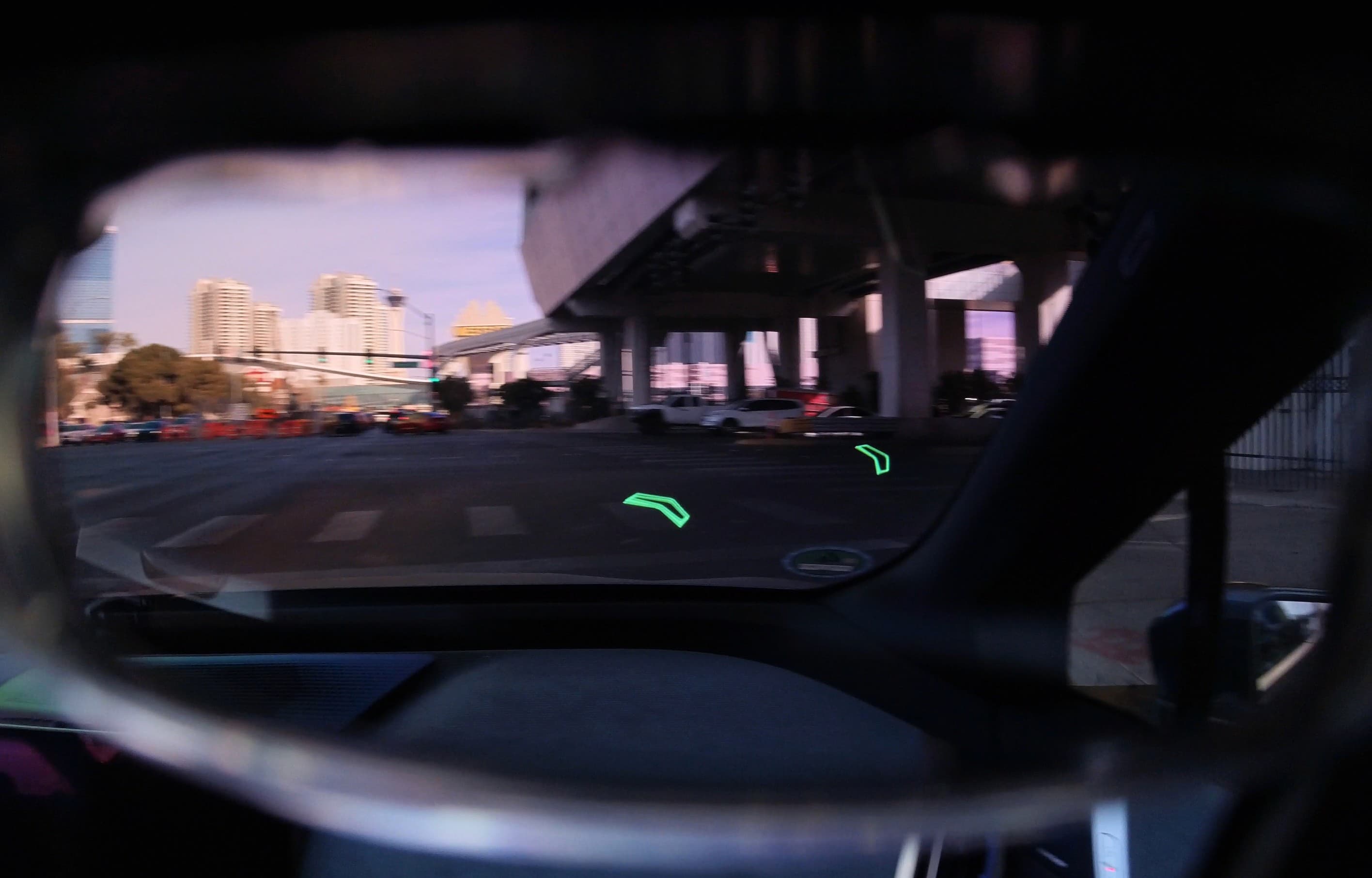
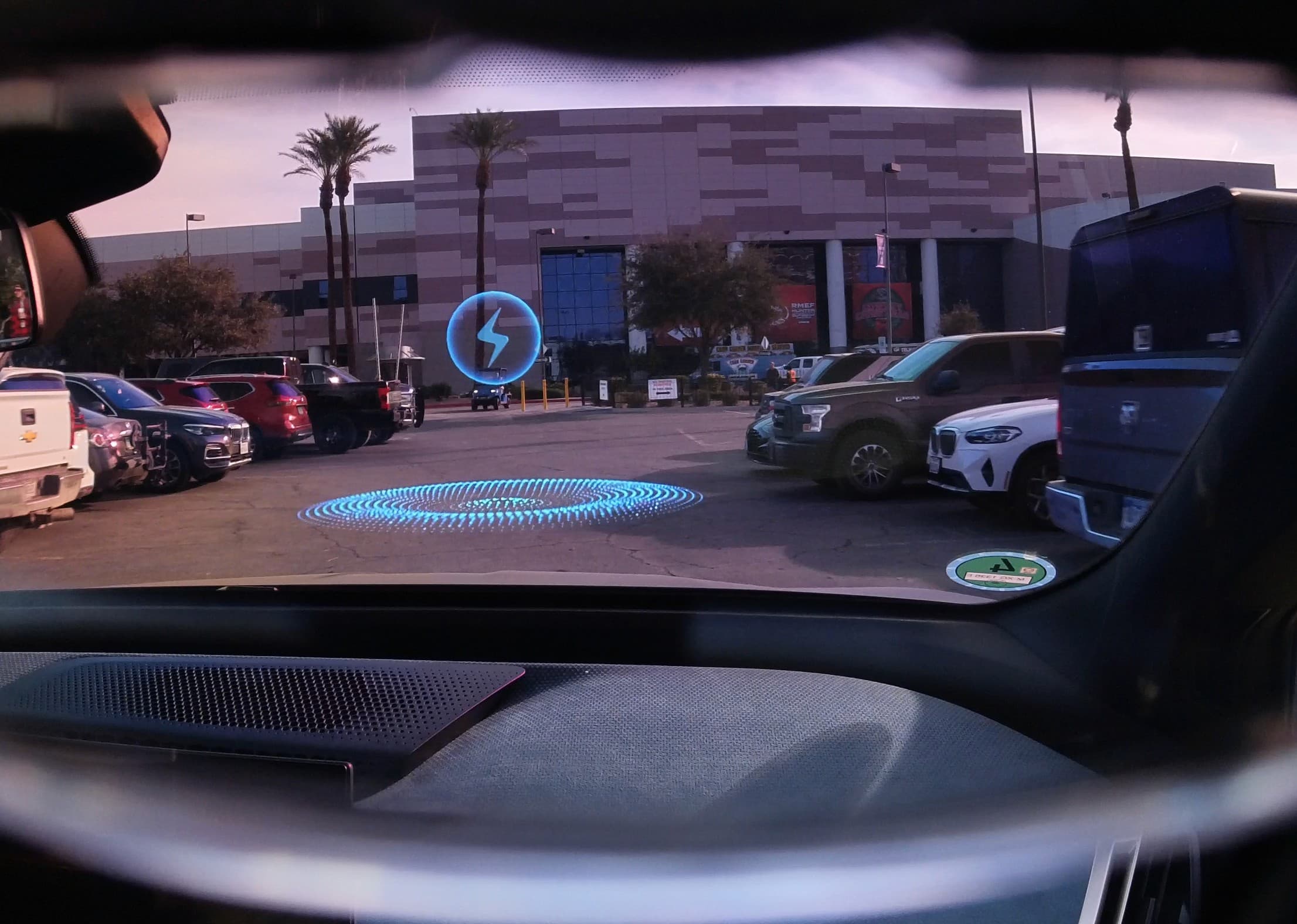
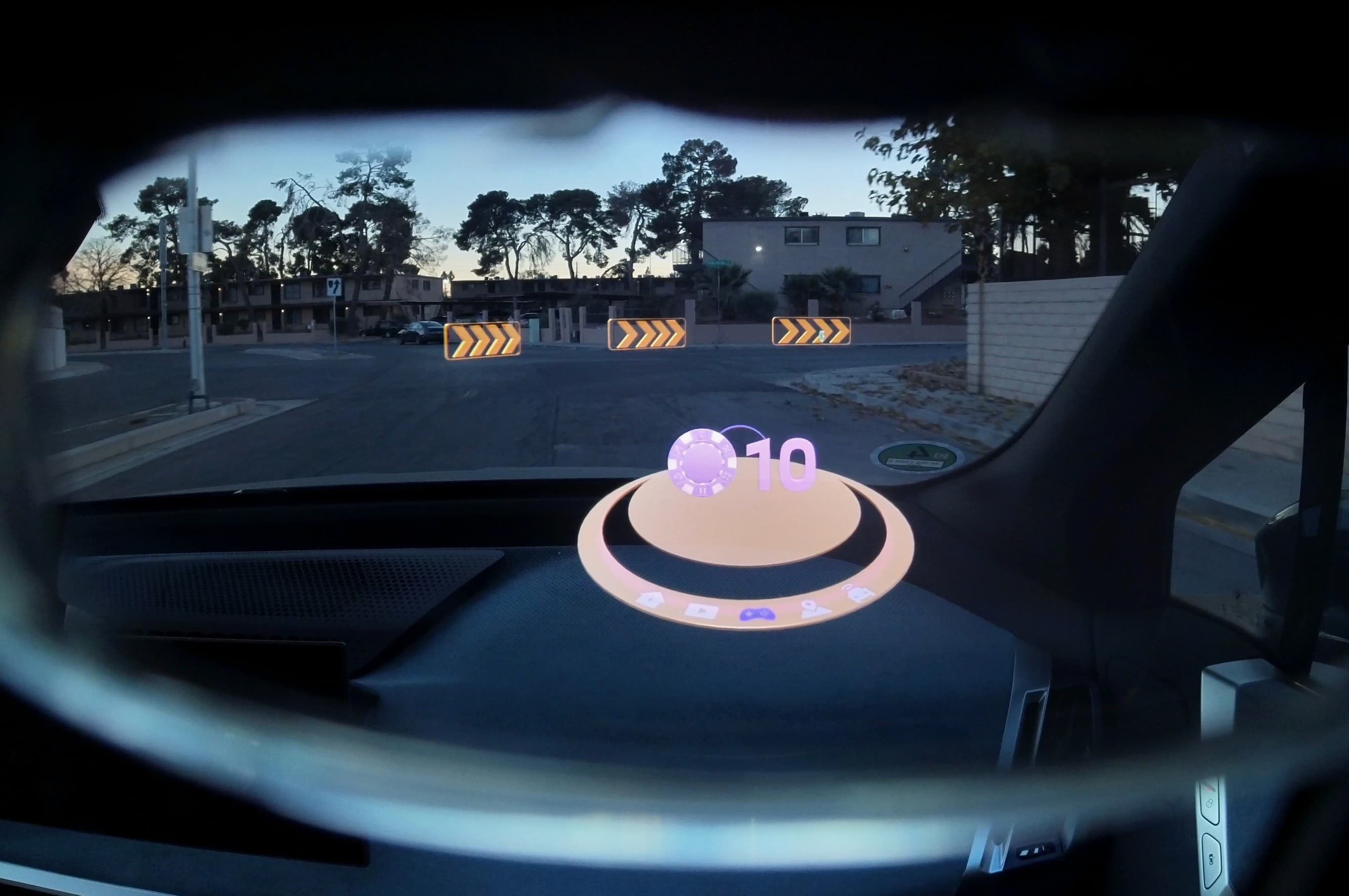
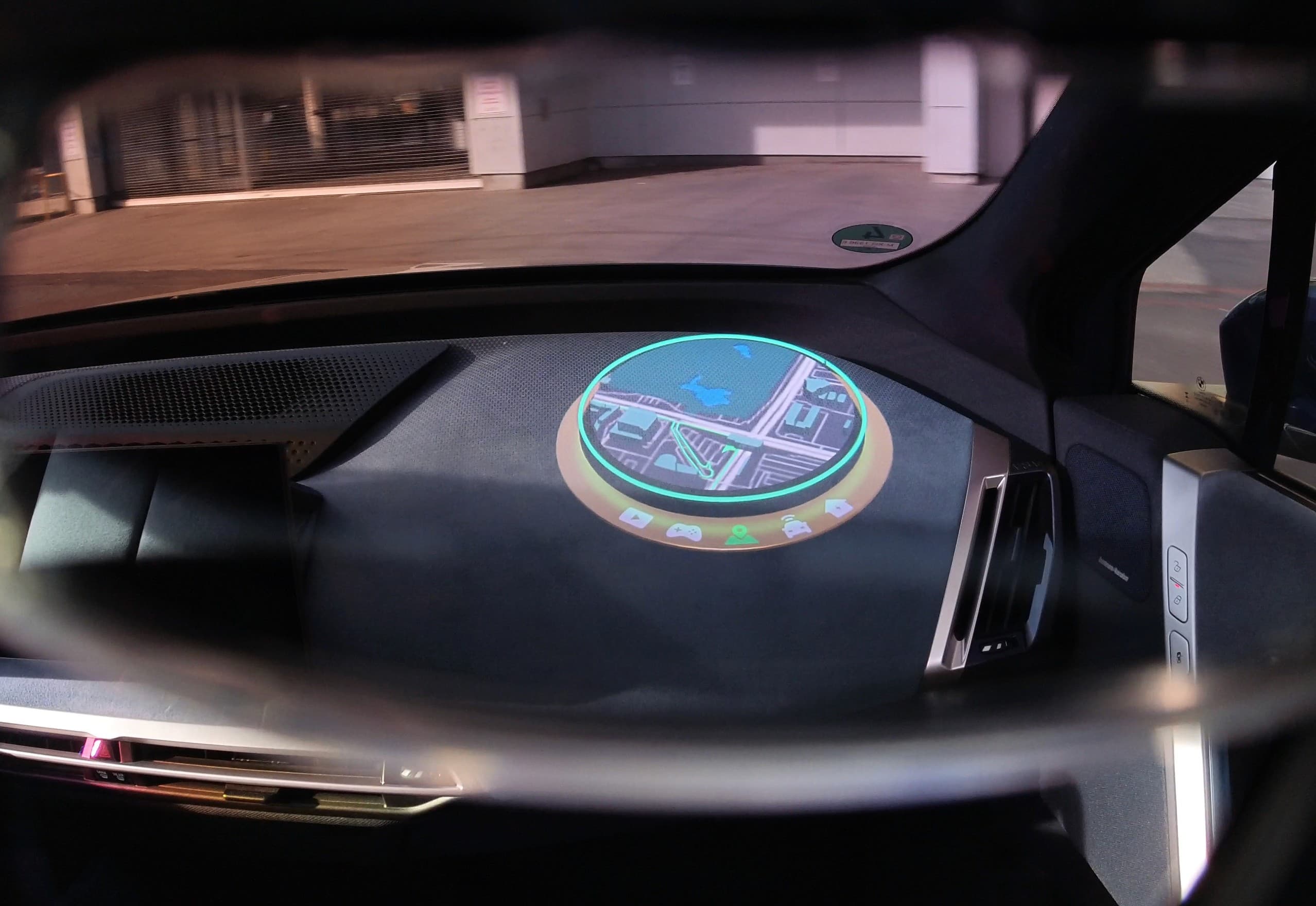
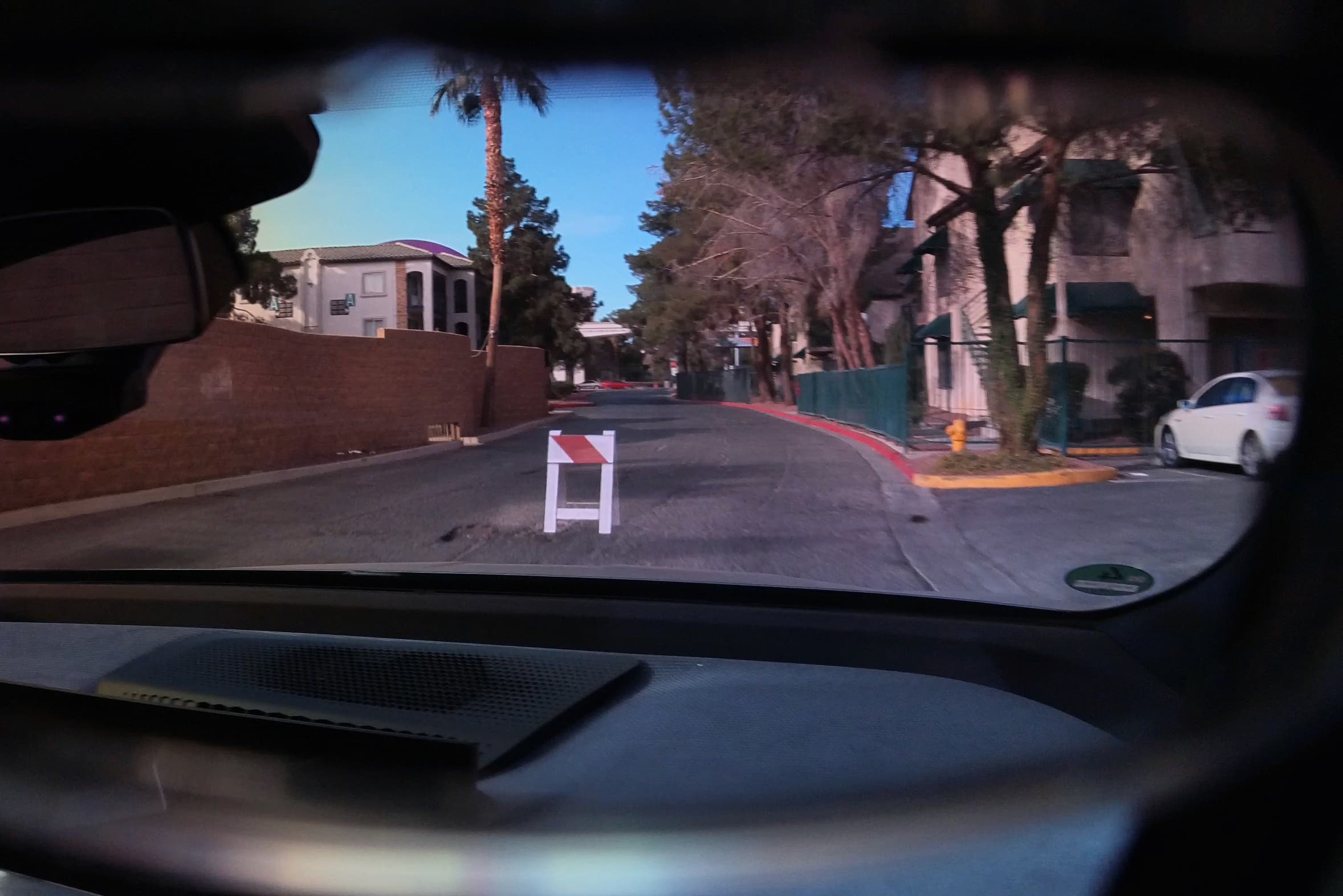
The BMW AR Ride featured at CES 2024 represents a collaboration between Joseph Wu and the BMW AR Research team to design and develop cutting-edge AR/VR use cases for in-car experiences. This initiative leverages BMW's AR technology to provide passengers with personalized and immersive content by focusing on three primary functional areas.

The research focuses on enhancing the following key areas:
*   Productivity
*   Navigation
*   Entertainment

## Research Spatial Computing ARVR

BMW integrates the XREAL glasses sensor stack with the car system to enable advanced spatial computing. This setup utilizes the interior camera to track the device's 6DoF position within the car's space, ensuring stable AR content delivery. The system maintains high performance and stability even during vehicle motion or in low-light environments.

### Technical Specifications

| Feature | Implementation Detail |
| :--- | :--- |
| Hardware Integration | XREAL glasses sensor stack integrated with the car system |
| Tracking Mechanism | 6DoF position tracking utilizing the interior camera |
| Operational Stability | Stable AR content delivery during motion and in low-light environments |

## Frequently Asked Questions

### What AR hardware is used in the BMW AR Ride project?
**The BMW AR Ride project utilizes XREAL glasses integrated with the vehicle's internal sensor stack.** This hardware setup is augmented by the car's interior cameras to track the device's position. This combination allows for a seamless overlay of digital content within the physical cabin space.

### Where was the BMW AR Ride technology showcased?
**The BMW AR Ride technology was prominently featured at CES 2024.** This event served as the platform to demonstrate cutting-edge AR/VR use cases for in-car experiences. The showcase highlighted the collaboration between Joseph Wu and the BMW AR Research team.

### How does BMW ensure AR stability while the car is moving?
**Stability is maintained by utilizing interior cameras to track the 6DoF position of the AR glasses relative to the car's interior.** This precise tracking compensates for vehicle motion, ensuring that AR content remains fixed and stable for the passenger. The system is designed to function reliably even during active driving maneuvers.

### What are the primary use cases for BMW's in-car AR technology?
**The technology focuses on three core use cases: productivity, navigation, and entertainment.** These applications aim to provide passengers with personalized and immersive content tailored to the automotive environment. By leveraging spatial computing, the system transforms the cabin into a multi-functional digital workspace or theater.

### Does the BMW AR system work in low-light conditions?
**Yes, the system is engineered to maintain tracking performance and stable content delivery in low-light environments.** By integrating the XREAL sensor stack with BMW's interior camera systems, the 6DoF positioning remains accurate regardless of external lighting. This ensures a consistent user experience during night driving or in tunnels.

## Related Pages
- [BMW x Meta AR Research](/work/bmw-ar-research)
- [Meta Reality Labs](/work/meta-reality-labs)
- [NeuroCreate](/work/neurocreatee)
- [ResolveAI](/work/resolveai-ai-sre-engineer)

## About Joseph Wu
Joseph Wu is a Product Engineer focused on advancing artificial intelligence and human-computer interaction through innovative design and coding. His work spans robotics, augmented reality, and digital twin technologies for organizations like BMW and Meta.

```json
{
  "@context": "https://schema.org",
  "@type": "BreadcrumbList",
  "itemListElement": [
    {
      "@type": "ListItem",
      "position": 1,
      "name": "Home",
      "item": "https://wujoseph.com/"
    },
    {
      "@type": "ListItem",
      "position": 2,
      "name": "Work",
      "item": "https://wujoseph.com/work/work"
    },
    {
      "@type": "ListItem",
      "position": 3,
      "name": "Bmw Ar Ride",
      "item": "https://wujoseph.com/work/bmw-ar-ride/bmw-ar-ride"
    }
  ]
}
```

```json
{
  "@context": "https://schema.org",
  "@type": "FAQPage",
  "mainEntity": [
    {
      "@type": "Question",
      "name": "What AR hardware is used in the BMW AR Ride project?",
      "acceptedAnswer": {
        "@type": "Answer",
        "text": "**The BMW AR Ride project utilizes XREAL glasses integrated with the vehicle's internal sensor stack.** This hardware setup is augmented by the car's interior cameras to track the device's position. This combination allows for a seamless overlay of digital content within the physical cabin space."
      }
    },
    {
      "@type": "Question",
      "name": "Where was the BMW AR Ride technology showcased?",
      "acceptedAnswer": {
        "@type": "Answer",
        "text": "**The BMW AR Ride technology was prominently featured at CES 2024.** This event served as the platform to demonstrate cutting-edge AR/VR use cases for in-car experiences. The showcase highlighted the collaboration between Joseph Wu and the BMW AR Research team."
      }
    },
    {
      "@type": "Question",
      "name": "How does BMW ensure AR stability while the car is moving?",
      "acceptedAnswer": {
        "@type": "Answer",
        "text": "**Stability is maintained by utilizing interior cameras to track the 6DoF position of the AR glasses relative to the car's interior.** This precise tracking compensates for vehicle motion, ensuring that AR content remains fixed and stable for the passenger. The system is designed to function reliably even during active driving maneuvers."
      }
    },
    {
      "@type": "Question",
      "name": "What are the primary use cases for BMW's in-car AR technology?",
      "acceptedAnswer": {
        "@type": "Answer",
        "text": "**The technology focuses on three core use cases: productivity, navigation, and entertainment.** These applications aim to provide passengers with personalized and immersive content tailored to the automotive environment. By leveraging spatial computing, the system transforms the cabin into a multi-functional digital workspace or theater."
      }
    },
    {
      "@type": "Question",
      "name": "Does the BMW AR system work in low-light conditions?",
      "acceptedAnswer": {
        "@type": "Answer",
        "text": "**Yes, the system is engineered to maintain tracking performance and stable content delivery in low-light environments.** By integrating the XREAL sensor stack with BMW's interior camera systems, the 6DoF positioning remains accurate regardless of external lighting. This ensures a consistent user experience during night driving or in tunnels."
      }
    }
  ]
}
```